
Duties can be deferred until goods enter U.S. commerce; some scenarios may enable duty reduction or elimination.
Foreign-Trade Zones · USA
Control duties. Streamline customs. Improve supply-chain efficiency.
A structured, CBP-supervised operating model with inventory control for complex international flows.
FTZ control model
Miami · Global network
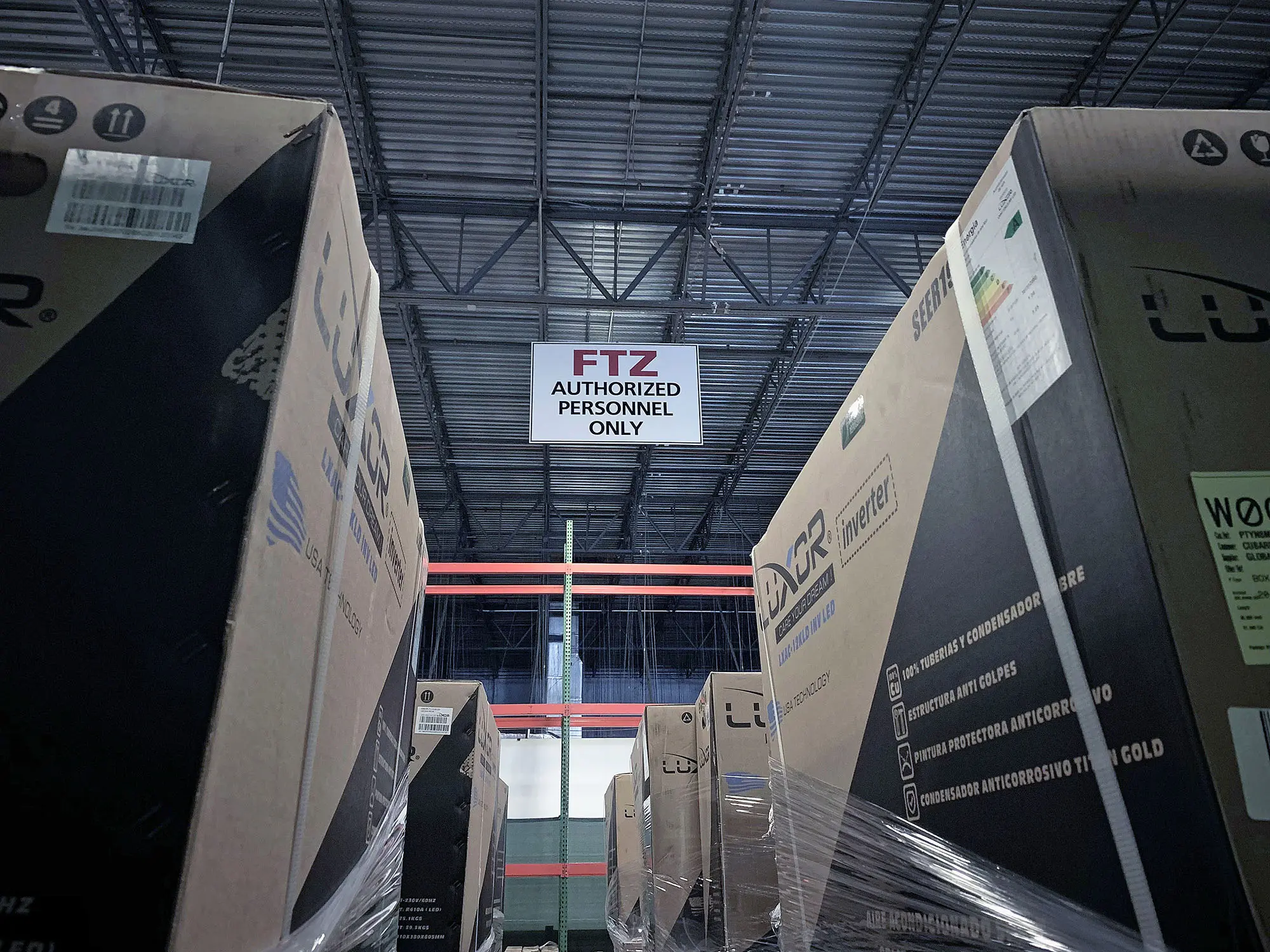
Foreign-Trade ZoneControlled inventory under CBP supervision
What is an FTZ and why it matters
A secured area under U.S. Customs and Border Protection supervision.
An FTZ is considered outside U.S. customs territory for duty purposes while merchandise remains in the zone. Companies use FTZs to improve cost structure, streamline customs interactions and manage risk.
FTZ programs can support duty deferral, optimized weekly entry and compliant operations with documented inventory control.
CBP-supervised flowInventory status: visible
01OriginPlan & collect
02TransportAir · Ocean · Land
03CustomsCompliant flow
04StorageBonded · CFS · FBA
05DeliveryFinal mile
End-to-end operation control
Operations follow CBP standards with documented controls, inventory tracking and audit-ready records.
Inbound admission, on-site processing and outbound entry or export within a structured process.
Five key benefits
Cost management, customs efficiency and better control.
Common advantages companies pursue within a compliant FTZ operating model.
Duty Deferral
Store goods in an FTZ and pay duties when they enter U.S. commerce.
Security & Compliance
Controls, processes and records aligned with CBP standards for high-value goods.
Streamlined Logistics
Consolidate shipments, optimize inventory and reduce customs processing time.
Strategic Duty Management
Manage tariff exposure in transit and use weekly entry to optimize MPF obligations.
Quota Management
Stage inventory in the FTZ and release it gradually to meet import quotas.
Common FTZ use cases
Where flexibility and control matter most.
High-Volume Imports
Improve cash-flow planning by deferring duty payment until goods enter U.S. commerce.
Distribution & Consolidation
Stage inventory, consolidate shipments and release product gradually based on demand.
High-Value Goods
Stronger controls and audit-ready traceability within a compliance-driven model.
Light Processing / Kitting
Approved zone operations while maintaining inventory control and recordkeeping discipline.
Seasonal Peaks
Hold safety stock and time releases without unnecessary customs friction.
Multi-Country Supply Chains
Increase flexibility in lead times and reduce disruption risk across complex inbound flows.
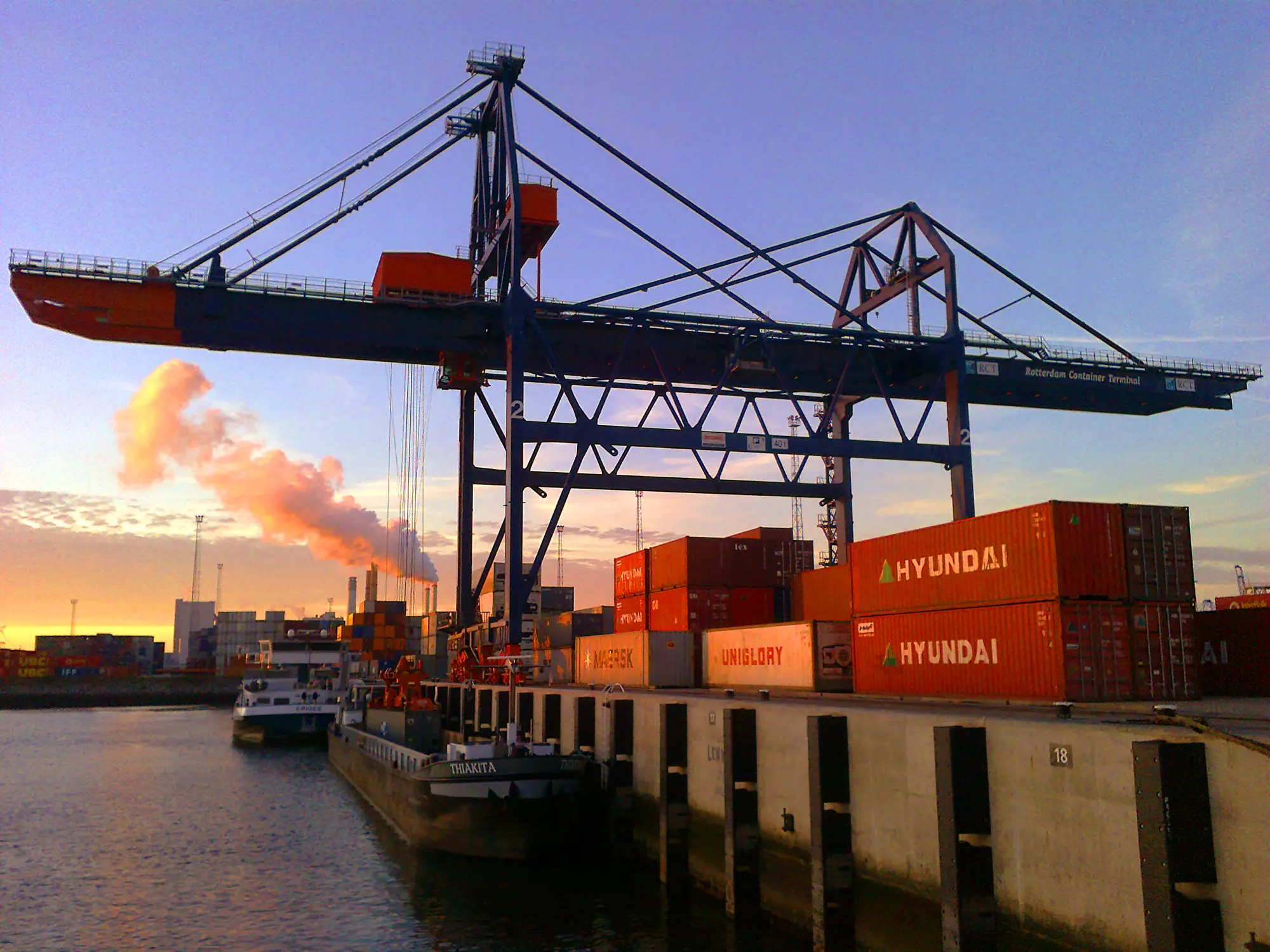
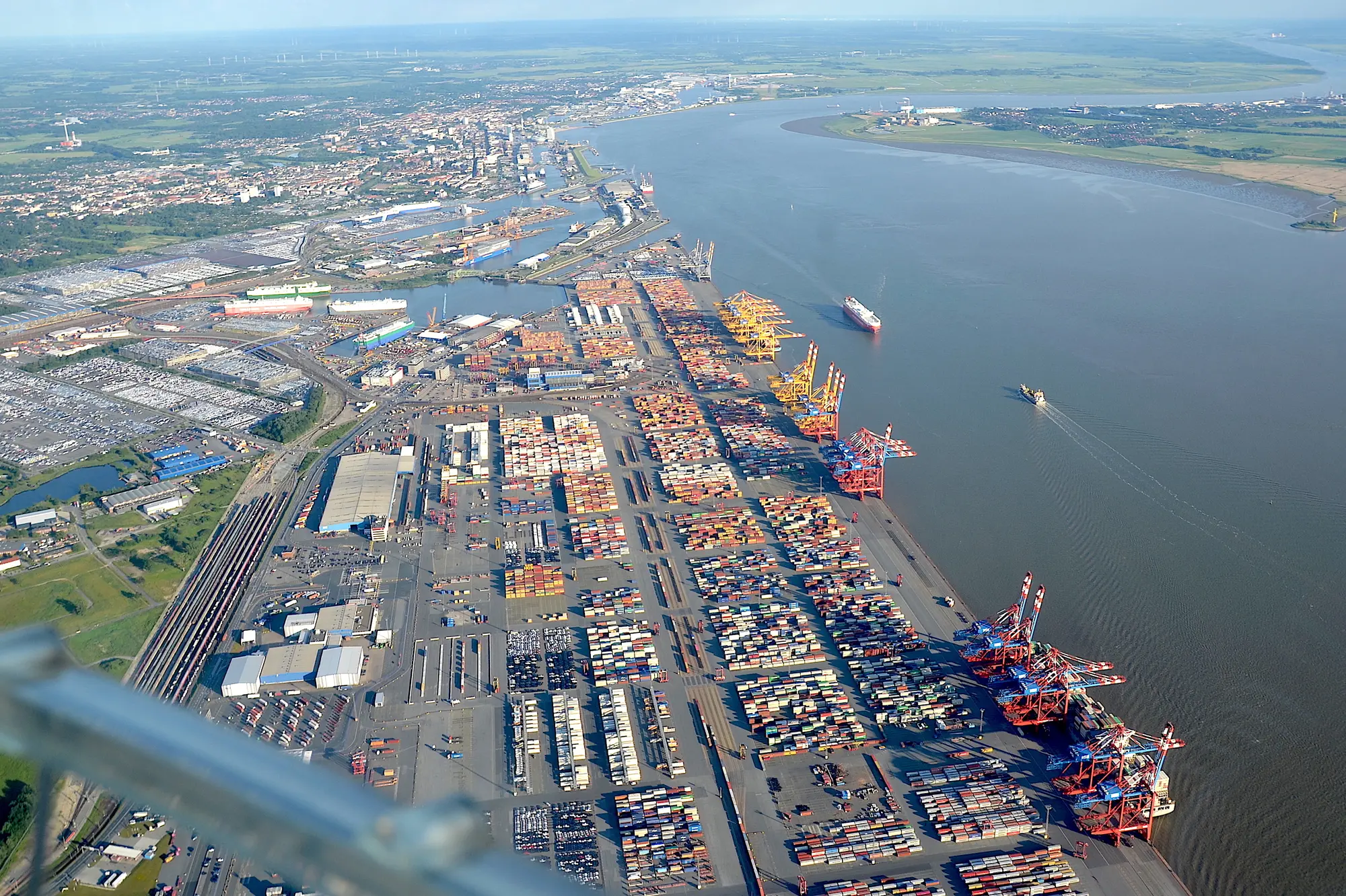
International cargo flow
From the gateway to controlled inventory.
FTZ planning connects cargo arrival, admission, inventory control, approved zone activity and the final entry or export decision.
FTZ vs. bonded warehouse
Two models for duty-deferral strategies.
The exact fit depends on operational scope, compliance requirements and the program structure in use.
| Category | Foreign-Trade Zone | Bonded Warehouse |
|---|---|---|
| Customs Status | Generally treated as outside U.S. customs territory for duty purposes while goods remain in the zone. | Supervised storage under bond; goods are held before formal entry. |
| Duty Timing | Duties are typically paid when goods enter U.S. commerce; exports may avoid duty in many cases. | Duties are typically paid when goods are withdrawn for U.S. consumption. |
| Allowed Operations | Often supports broader approved operations, such as manipulation and kitting, subject to requirements. | Operations can be more limited and program-dependent. |
| Reporting / Entries | May support reporting approaches such as weekly entry, depending on the operating model. | Standard entry and withdrawal processes under bond supervision. |
| Best Fit When | Inventory velocity, complexity and compliance-driven control are priorities. | The primary need is secure bonded storage with simpler operational requirements. |
How an FTZ works
Three typical stages under CBP oversight.
Admission
Goods enter the zone.
Goods arrive and are admitted to the zone, for example through e214. Inventory status is recorded at the item level.
Zone Operations
Approved work takes place.
Storage, kitting, light manufacturing or other approved processes may occur while maintaining traceable controls.
Entry / Export
Goods move into commerce or export.
Goods enter U.S. commerce, where weekly entry may apply, or are exported; applicable duties are then assessed.
When an FTZ may make sense
- High import volumes or repetitive MPF spend.
- Potential inverted-tariff opportunities.
- Long dwell or safety stock where deferral helps cash flow.
- Multi-country flows where lead times and liquidity are critical.
Frequently asked questions
Early FTZ evaluation questions.
These answers describe common scenarios; the right structure depends on the specific flow and compliance requirements.
Not necessarily. Many strategies focus on duty deferral and cash-flow timing. Certain outcomes, such as exports, may reduce or avoid duty depending on the scenario and program structure.
Typical examples include storage, consolidation, kitting, labeling and other approved zone operations, always within documented controls and compliance requirements.
Timeframes depend on the specific program model, inventory status and compliance requirements. Many companies use FTZs to manage longer dwell periods strategically.
Not always. Import volume, SKU complexity, inventory dwell and operational fit tend to matter more than company size alone.
Weekly entry can consolidate certain customs entries into a weekly cycle, which may improve operating efficiency depending on the flow and requirements.
In many models, yes. Exports can be handled within a compliant process, and duties are typically not assessed on goods that do not enter U.S. commerce.
Want to discuss FTZ scenarios?
Evaluate whether an FTZ could fit your operation.
Have a question?
Talk to the team managing the operation.
Drop us a line, or call us for more information.