
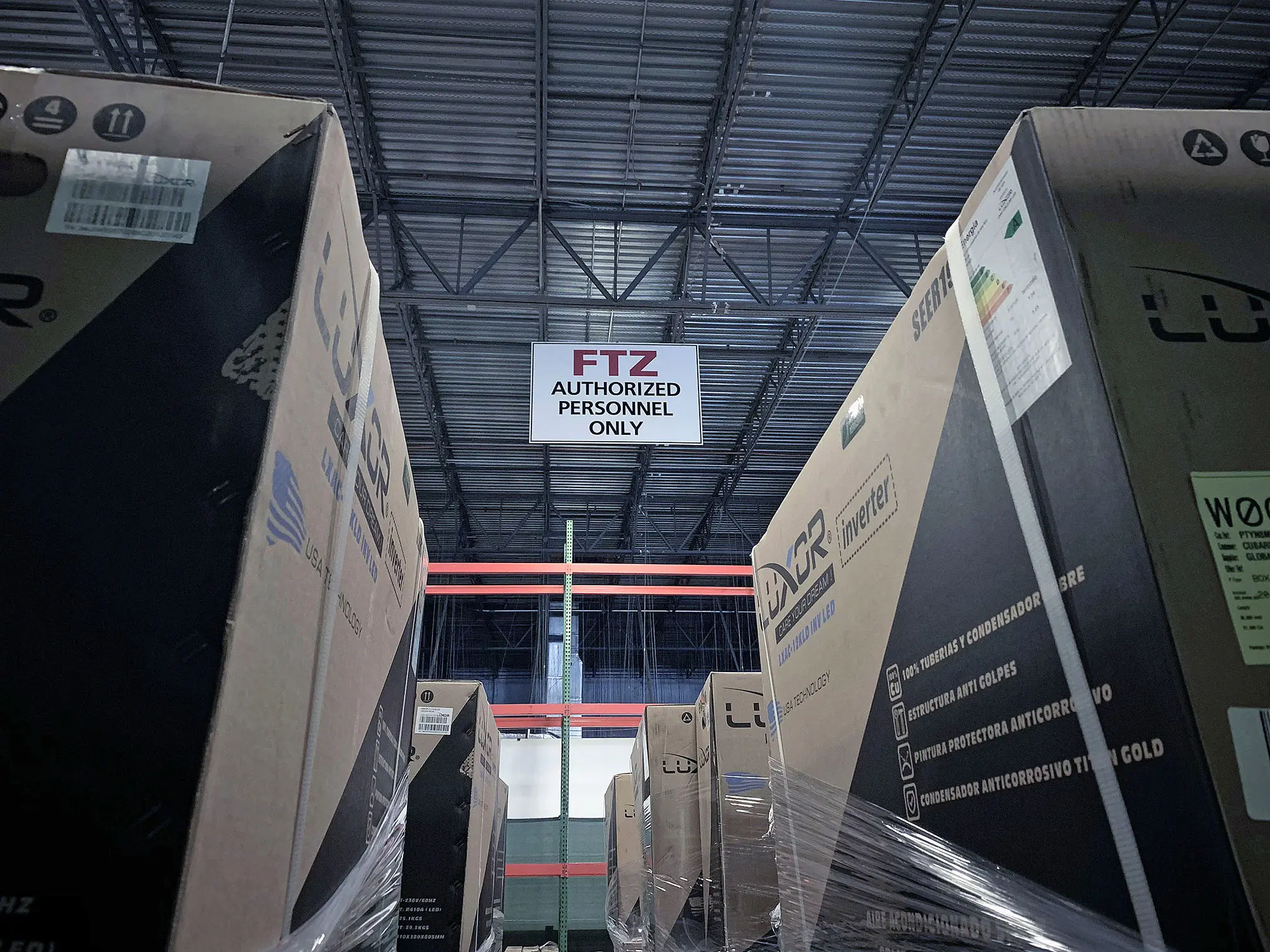
Foreign Trade Zones and bonded warehouses can both be part of an international logistics strategy. The practical starting point is not the facility name. It is the intended path of the cargo.
Map the next decision
Will the goods be stored, prepared, distributed, entered into the domestic market or shipped onward? How long might each stage take? Which records must be available to the teams responsible for the operation? These questions help frame a useful discussion with customs and logistics specialists.
The answer may depend on the type of goods, the planned activity, the destination and the applicable rules. A comparison built around a real cargo flow is more useful than a generic list of benefits.
Information to prepare
- Origin, destination and expected arrival pattern.
- Inventory and handling requirements.
- Planned storage, processing or distribution activities.
- The people and systems responsible for documentation.
Connect facility choice to the wider chain
A customs-controlled facility should fit the transport, inventory and delivery plan around it. Early coordination between the freight, warehouse and compliance teams helps reveal where a handoff could slow the operation.
This article is an operational overview. Specific customs treatment should always be confirmed with qualified advisers for the actual goods and transaction.